When you need parts that face moisture, salt, or harsh outdoor elements, choosing the right die casting alloys matters. At KenWalt, we often work with A380, A356, and ADC12 because each offers specific advantages and disadvantages in terms of strength, corrosion resistance, cost, and finish.
This guide walks through the strengths and weaknesses of a variety of alloys so you can pick what matches your project’s requirements.
What Drives Corrosion Resistance in Aluminum Alloys
Aluminum resists rust, but not all aluminum alloys can handle salt, pollution, or moisture equally. Factors impacting corrosion include:
- Alloying elements: copper and iron reduce corrosion resistance, while silicon and magnesium can help if balanced correctly.
- Microstructure: porosity or voids weaken corrosion resistance. Processes like vacuum-assisted die casting help reduce these vulnerable areas.
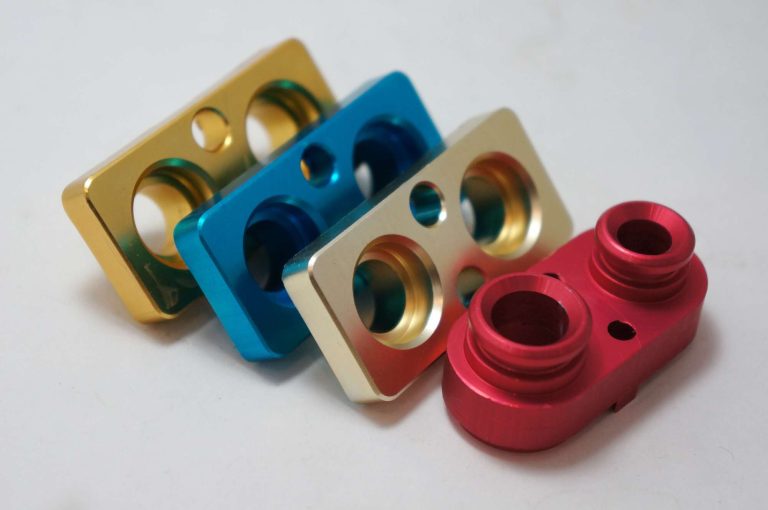
- Surface finish/coating: anodizing, powder coating, chroming, and chemical film all contribute by protecting the alloy surface.
KenWalt’s casting process emphasizes low porosity and high consistency. That gives you the ideal starting point before applying protective finishes or exposing parts to corrosive environments.
A356 Aluminum Alloy
A356 has about 6.5-7.5% Silicon, some Magnesium (≈0.2-0.5%), and very low Copper. It is heat-treatable (e.g. T6 condition), which helps boost its strength and toughness.
In corrosive conditions, A356 tends to outperform alloys with more copper because the lower copper content means fewer galvanic or localized corrosion issues. Its elongation and ductility are better, so it’s less brittle. The trade-off is that it melts and flows less easily in very thin walls or intricate shapes. It may require more machining or more expensive tooling finishes to ensure corrosion protection.
A380 Aluminum Alloy
A380 typically has ~7.5-9.5% Silicon, ~3-4% Copper, plus small amounts of Iron, Magnesium, and Manganese. It offers higher tensile strength (~320-380 MPa in some usages) and good hardness.
However, higher copper content lowers corrosion resistance compared to A356. Copper boosts hardness, but makes the alloy more prone to corrosive attack, especially in marine or salty environments, unless well coated. If you plan exposure to salt spray, moisture, or salt water, you’ll need strong finishes or plating, or limit exposure to avoid corrosion pits or oxidation.
ADC12 Aluminum Alloy
ADC12 (also referenced in some places as A383 in certain standards) has high Silicon content (9.6-12%), moderate Copper (1.5-3.5%), low Magnesium and Iron. Its fluidity is high, so it fills molds well even in thin, complex sections.
In corrosive settings, ADC12 often offers a balance: better corrosion resistance than high-copper alloys like A380 (because of lower copper), but not quite as excellent as A356 in some conditions. It tends to be less ductile than A356, and elongation can be lower. Also, its ability to accept coatings or finishes (anodizing, chem film) may be somewhat constrained; preparation of the surface is crucial.
Side-by-Side Comparison of Die Casting Alloys
| Property | A356 | A380 | ADC12 |
| Corrosion Resistance | Best among the three in many marine/outdoor settings | Weaker because of high copper content unless well-coated | Moderate; better than A380 in many cases |
| Strength & Hardness | Good, especially when heat-treated | Stronger in as-cast form; higher hardness | Comparable strength to A380 in some conditions; hardness varies |
| Ductility / Elongation | Higher, more forgiving under stress | Lower elongation; more brittle under certain loads | Intermediate to lower ductility than A356 |
| Fluidity / Mold Fill | Lesser fluidity; needs careful design for thin walls | Very good fluidity; fills molds well | Excellent fluidity; well-suited for complex and thin shapes |
| Cost & Processing Considerations | Heat treatment raises cost; finishing may need more work | Less finishing is required for strength, but corrosion protection adds cost | Balanced; somewhat less demanding than full-strength alloys |
KenWalt’s Process Enhancements for Corrosion Applications
KenWalt uses vacuum-assisted casting to minimize internal porosity, which reduces voids where corrosion can begin. Then, finishing options such as anodizing, chem-film, plating, or powder coating help protect the surface. In addition, quality checks, material review, and design feedback happen early so surfaces are adequately prepared, thicknesses are consistent, and finishes adhere well.
We also test prototypes or small runs to see how parts behave in the target environment (salt spray tests, moisture exposure, etc.), so you can see performance before full production.
Recommendations: Best Alloy by Use Case
- For salty, marine-exposed parts (e.g., connector housings, outdoor lighting): A356 is chosen for its superior corrosion resistance, with a good finish applied.
- For rugged structural parts that bear load but are outdoors, ADC12 can offer a middle ground of strength and better mold fill when well coated.
- For parts where strength is more critical than environment, or life span is short, or low exposure to corrosives: A380 could work, but plan for protective finishes.
KenWalt is Ready to Help You Choose The Perfect Alloy
When choosing die casting alloys, it’s essential to know if you’re trading off corrosion resistance, strength, ductility, mold fill behavior, or finish cost. A356 excels in corrosion resistance and ductility, ADC12 offers fluidity and strength balance, and A380 offers high strength but demands more surface protection.
At KenWalt, we use many different aluminum and zinc die casting alloys, so we can help tailor alloy choice, process, and finishes to your specific environment and performance needs.
Contact us to get alloy advice custom to your application.